
If you want to read about the latest luxury tourism trends in Italy, read on. Italy has always been a destination that blends history, scenery, and style. For decades, travellers have come for the Renaissance art, Roman ruins, and coastal views, but in recent years luxury travel here has started to change.
It’s no longer just about checking into a five-star hotel or eating at Michelin-starred restaurants. More people are looking for experiences that feel authentic but still come with a touch of comfort. Privacy, flexibility, and connection with local culture are shaping what luxury travel looks like today.
Here are five of the latest trends showing how visitors are experiencing Italy in new ways.
1. Staying in a Private Villa in Sicily
For many, Sicily captures everything people imagine about Italy: sunshine, slow afternoons, and meals that last for hours. Living in a villa in Sicily is one of the best ways to experience luxury Italian life. Private villas provide the chance to spread out, relax, and set your own pace. Many come with private pools, landscaped gardens, and terraces overlooking vineyards or the sea.
The island itself has a huge variety to explore. In the east, Mount Etna dominates the skyline, and guided tours take you across volcanic landscapes. In Palermo, the streets are filled with markets selling street food like arancini and panelle. Down on the coast, towns like Taormina offer boutique shops, ancient theatres, and beaches within walking distance.
The luxury villa trend is also about privacy. Families and groups can cook together with ingredients from a local market, book a private chef for an evening, or simply enjoy quiet mornings by the pool. It feels more like living in Italy than passing through as a tourist.
2. Private Food and Wine Journeys
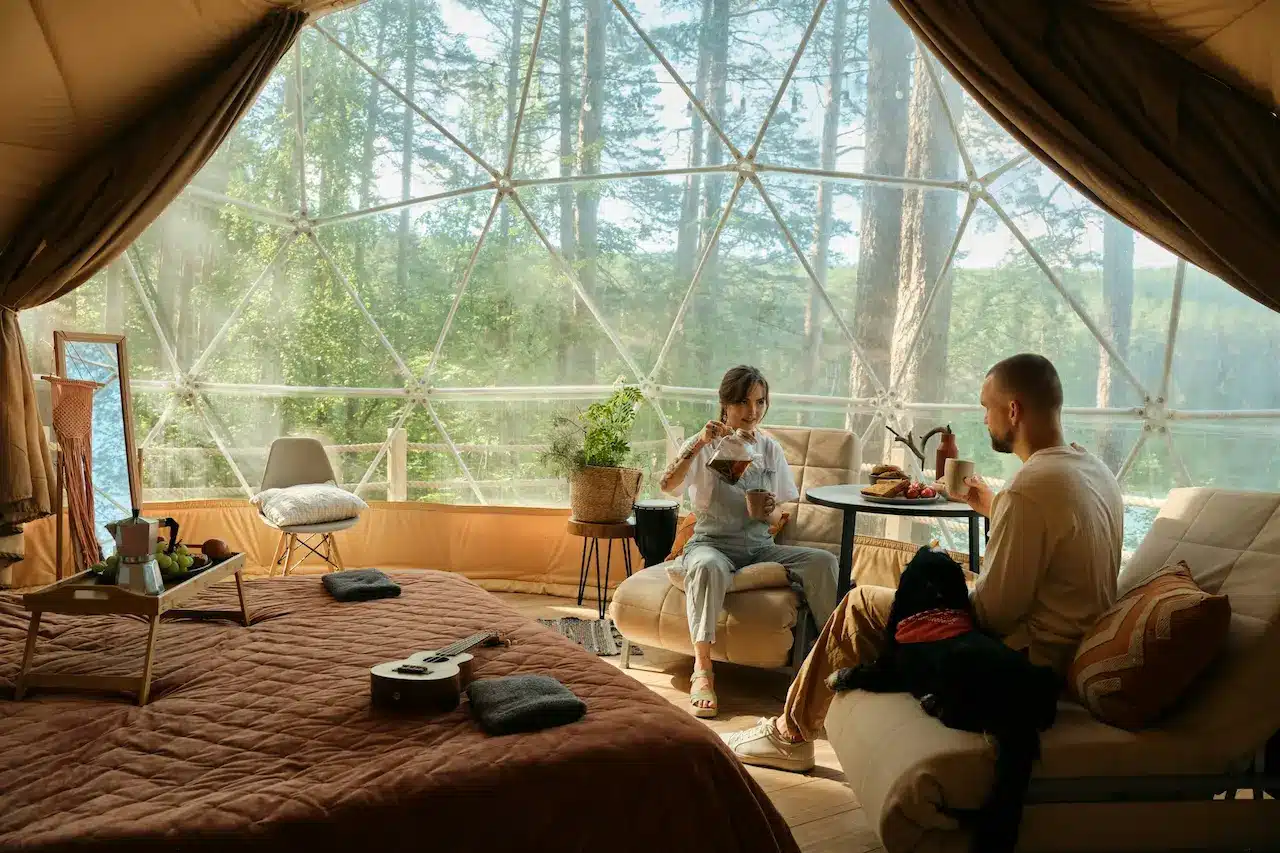
Food has always been at the heart of Italian culture, but how travellers experience it is changing. Instead of joining large tasting tours, many visitors are now choosing private or tailor-made experiences. These could be vineyard tours in Tuscany where the winemaker walks you through the vines, or cooking lessons in a family kitchen in Bologna.
In Piedmont, truffle hunting with trained dogs has become a favourite luxury activity. Visitors head into the forests with expert guides before returning for a truffle-themed meal. In Emilia-Romagna, cheese lovers can arrange private tours of Parmigiano Reggiano dairies, where you see the entire process before sampling.
What makes these experiences luxurious isn’t just the food itself, but the personal touch. You’re meeting local experts, spending time in small groups, and often visiting places not open to the wider public. It turns a meal or tasting into a cultural exchange rather than just a tourist activity.
3. Bespoke City Experiences
Italy’s major cities – Rome, Florence, and Venice – remain some of the most visited in the world, but luxury travellers are shifting towards curated experiences. A private art historian leading you through the Uffizi in Florence, or an after-hours tour of the Vatican Museums in Rome, gives you access and insight that standard tours can’t match.
In Venice, gondola rides are still popular, but now many pair them with exclusive dining or private tours of artisan workshops. In Milan, fashion-conscious visitors book one-to-one shopping experiences with stylists who take them through boutiques and showrooms.
Another growing trend is slower city travel. Instead of rushing from one landmark to the next, visitors are spending longer in one area, exploring neighbourhoods on foot, and discovering local cafés or independent galleries. The luxury comes from depth and exclusivity – really engaging with the city rather than skimming its surface.
4. Wellness Retreats in Scenic Settings
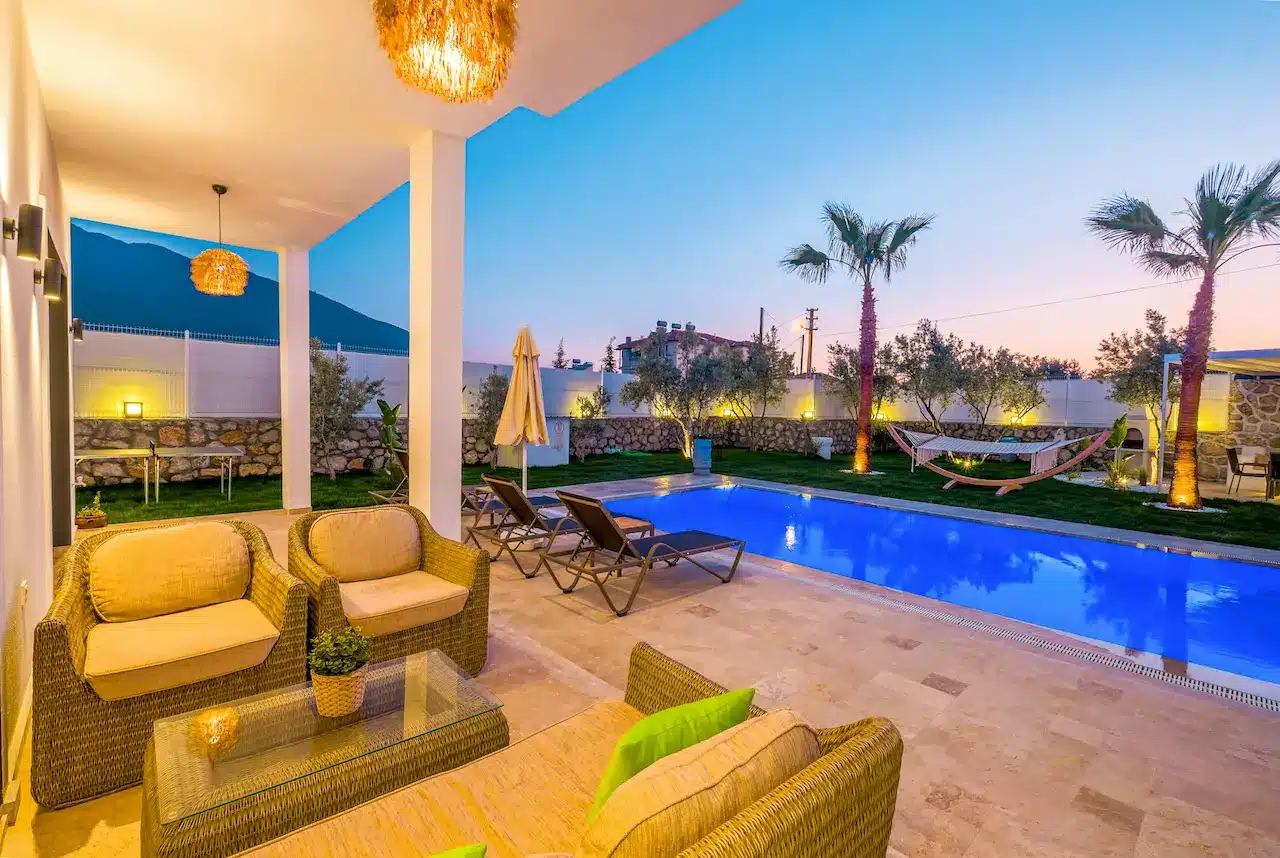
Wellness tourism has grown worldwide, and Italy is adapting quickly. Travellers are increasingly looking for destinations that combine beautiful surroundings with opportunities to focus on health and wellbeing. From yoga retreats in Puglia to thermal spa resorts in Tuscany, the options are varied.
The Dolomites, with their mountain scenery, are becoming known for luxury wellness resorts that mix hiking, spa treatments, and gourmet dining. Tuscany’s natural hot springs – such as Bagno Vignoni or Saturnia – have long been popular, but many high-end resorts now build entire wellness programmes around them, with spa treatments, nutrition plans, and guided exercise.
These experiences are designed to balance body and mind. Instead of returning home exhausted after trying to see everything, travellers leave refreshed. For solo visitors or small groups, wellness retreats also provide structure and connection with others while still feeling private and indulgent.
5. Slow Travel Along the Coast
Italy’s coastline has always been a highlight, from the colourful villages of Cinque Terre to the dramatic Amalfi cliffs. What’s changing is the way people are choosing to experience it. Instead of cramming Amalfi, Positano, Ravello, and Capri into a single day, travellers are slowing down, spending several days in one town, and really enjoying it.
Private yacht charters and small boat tours are also on the rise, giving people the freedom to explore hidden coves or visit quieter beaches. On land, road trips along the coast – whether through Liguria, Calabria, or Campania – are becoming part of the retreat itself. Stopping at small villages, trying local restaurants, and lingering at viewpoints is now seen as a luxury in itself.
The trend reflects a shift in what travellers value. Rather than racing to tick landmarks off a list, luxury visitors want time, space, and authenticity. For many, the chance to spend a long afternoon in a seaside trattoria with no schedule is worth more than a packed itinerary.
Final Thoughts
Luxury tourism in Italy is moving towards experiences that feel personal, immersive, and flexible. Whether it’s staying in Sicilian villas, booking a private truffle hunt, or exploring coastal towns at a slower pace, the focus is on connection rather than simply consumption.
For travellers, the reward is a holiday that combines style and authenticity – time spent not just seeing Italy, but really experiencing it.


