
The History of Souvenirs: Timeless Treasures of Travel
Souvenirs have always been at the heart of travel, helping us keep our holiday memories alive. From fridge magnets and t-shirts to unique handcrafted goods, souvenirs let us relive amazing trips long after we return home. But have you ever wondered how souvenirs became such an important part of tourism? Let’s take a journey together through the fascinating story of souvenirs, from ancient adventures to today’s must-have keepsakes.
[ez-toc]
Ancient Beginnings: From Seashells to Sacred Trinkets
Our story starts thousands of years ago, in ancient civilizations. Early travellers collected special objects such as seashells, unusual stones, and other natural finds from their journeys. These simple items held personal meaning, acting as precious reminders of adventures. In ancient Egypt, souvenirs even took on a spiritual purpose. Egyptians visiting temples brought home small tokens from these sacred places, believing they carried blessings from the gods, adding an element of divine connection to their travels.
The Middle Ages: Souvenirs with a Spiritual Twist
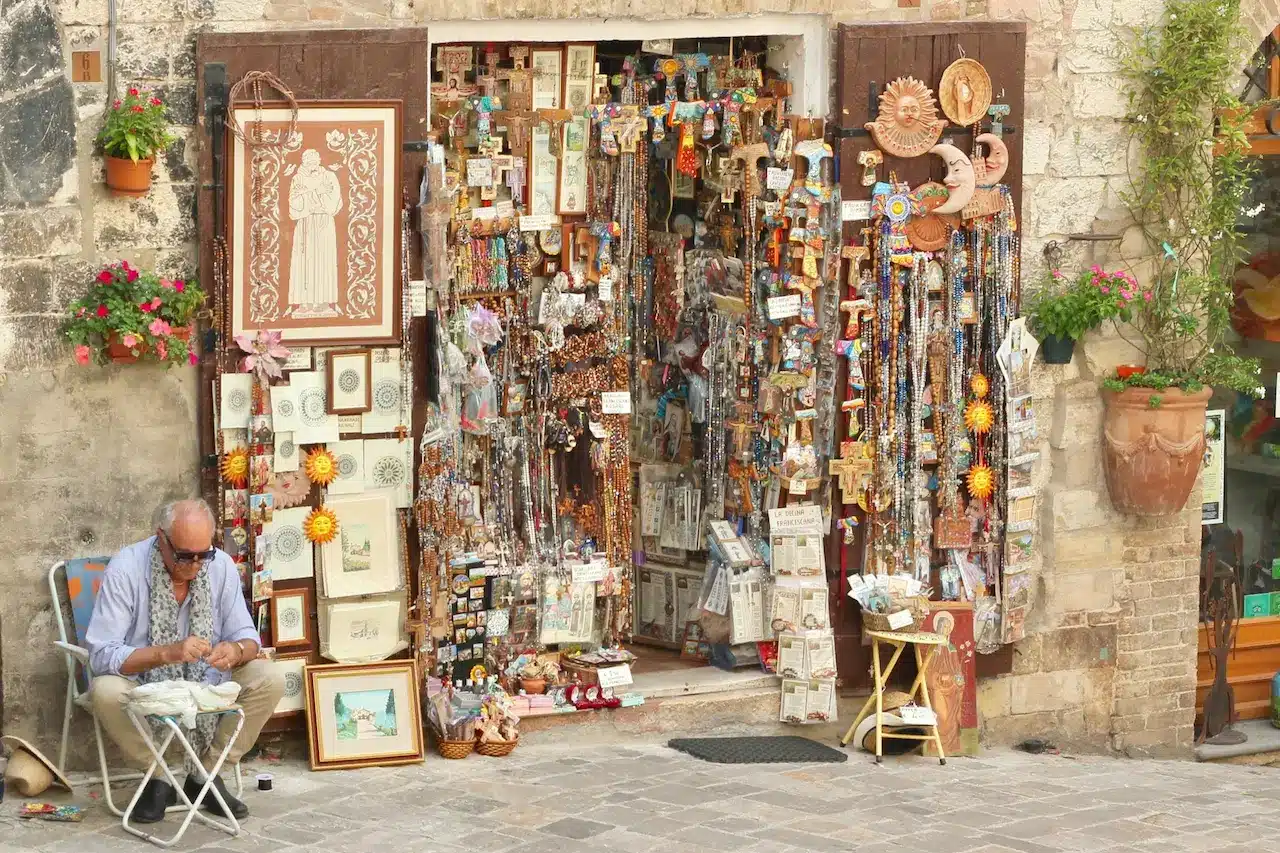
During the Middle Ages, souvenirs became even more meaningful as spiritual and religious tokens. Pilgrims journeying to holy sites would collect badges, relics, and other religious memorabilia as reminders of their devotion and travels. These items held deep personal significance and were often treasured for a lifetime. This tradition set the stage for how meaningful travel souvenirs would become in later eras.
The Grand Tour Era: Souvenirs as Status Symbols
In the 18th and 19th centuries, affluent young men embarked on “grand tours,” extended educational journeys through Europe. These privileged travelers returned home with art, sculptures, and exclusive items that showed their refined tastes and experiences. Such souvenirs were status symbols, highlighting their social standing and education. This practice cemented the idea of souvenirs as not only personal keepsakes but also markers of one’s status and sophistication.
Industrial Revolution: Souvenirs for Everyone
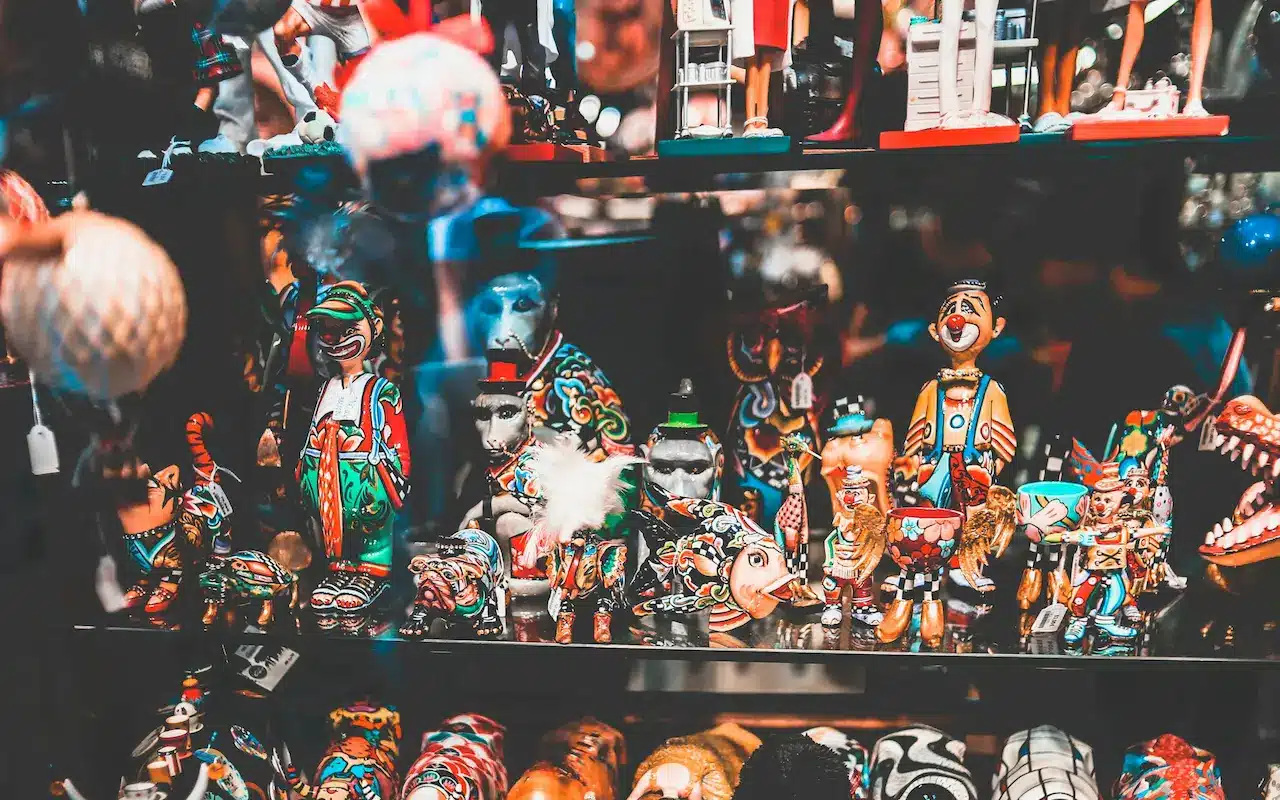
The Industrial Revolution brought huge changes to the way people travelled and collected souvenirs. With the invention of steamships and railroads, travel became cheaper and faster, opening new horizons to the middle class. More people could now afford to see the world, dramatically increasing the demand for souvenirs. Manufacturers responded by mass-producing souvenirs designed specifically for tourists, such as porcelain figures, decorative plates, and glassware featuring local landmarks. Suddenly, everyone could take home a tangible memory from their travels.
The 20th Century Boom: Mass Production and Cultural Icons
Travel transformed again in the 20th century, becoming even more accessible due to cars and air travel. As tourism expanded, so did the souvenir industry, producing large quantities of affordable items like postcards, keychains, pins, and magnets. After World War II, souvenirs began to symbolize cultural and national pride. Countries started showcasing their unique cultures through branded souvenirs. For instance, in Japan, special regional souvenirs called omiyage gained popularity, highlighting local specialties and craftsmanship, enhancing their cultural significance.
Souvenirs in the Digital Age: Sharing Memories Online
In recent years, the digital age has created exciting new forms of souvenirs. Smartphones and social media have turned souvenirs into shareable “social media moments.” Travellers now purchase items specifically to photograph and post online, creating digital keepsakes shared instantly with friends and family worldwide. These digital souvenirs provide lasting online memories, blending traditional keepsakes with modern technology to create something entirely new. Souvenirs are a great way to promote businesses and improve marketing by adding your shop, brand, or business name onto things like spoons, cups, and trinkets for people to buy and share.
Authentic and Ethical: The Rise of Sustainable Souvenirs
Today, as the souvenir market has become saturated with mass-produced items, travellers increasingly seek out authentic, locally crafted products. Handmade crafts and locally sourced goods are now highly valued, offering deeper connections to the destinations visited. These sustainable souvenirs support local artisans and communities, making travel more meaningful. Ethical souvenirs not only remind travellers of their journeys but also positively impact local economies and cultures.
The Global Souvenir Industry Today
The souvenir industry today is enormous, generating millions of dollars annually. Holiday Inn has even conducted extensive research, creating an intriguing series mapping souvenir trends and uncovering fun facts. Did you know where the world’s largest gift shop is located, or which nationality spends the most on souvenirs? These insights highlight the universal appeal and significance souvenirs have for travellers worldwide.
Souvenirs: More Than Just Objects
Ultimately, souvenirs go beyond simply being items we buy on trips. They represent our personal stories, cultural identities, and unique travel experiences. Each souvenir, whether simple or elaborate, becomes a piece of our own history. They remind us not just of places visited, but of the emotions and adventures experienced there. Souvenirs preserve moments in time, allowing us to revisit special memories whenever we wish.
Making Memories Last: Choosing the Perfect Souvenir
Next time you travel, think about the deeper meaning behind the souvenirs you choose. Whether it’s a small trinket, an artisanal craft, or a digital post, your souvenir holds a unique story. Select items that truly represent your journey, helping you cherish travel experiences for years to come. After all, a souvenir is not just a physical object; it’s a lasting memory of the incredible places you’ve been and the unforgettable moments you’ve lived.